7 essential tips for passing your GVC Practical Flight Assessment in 2026
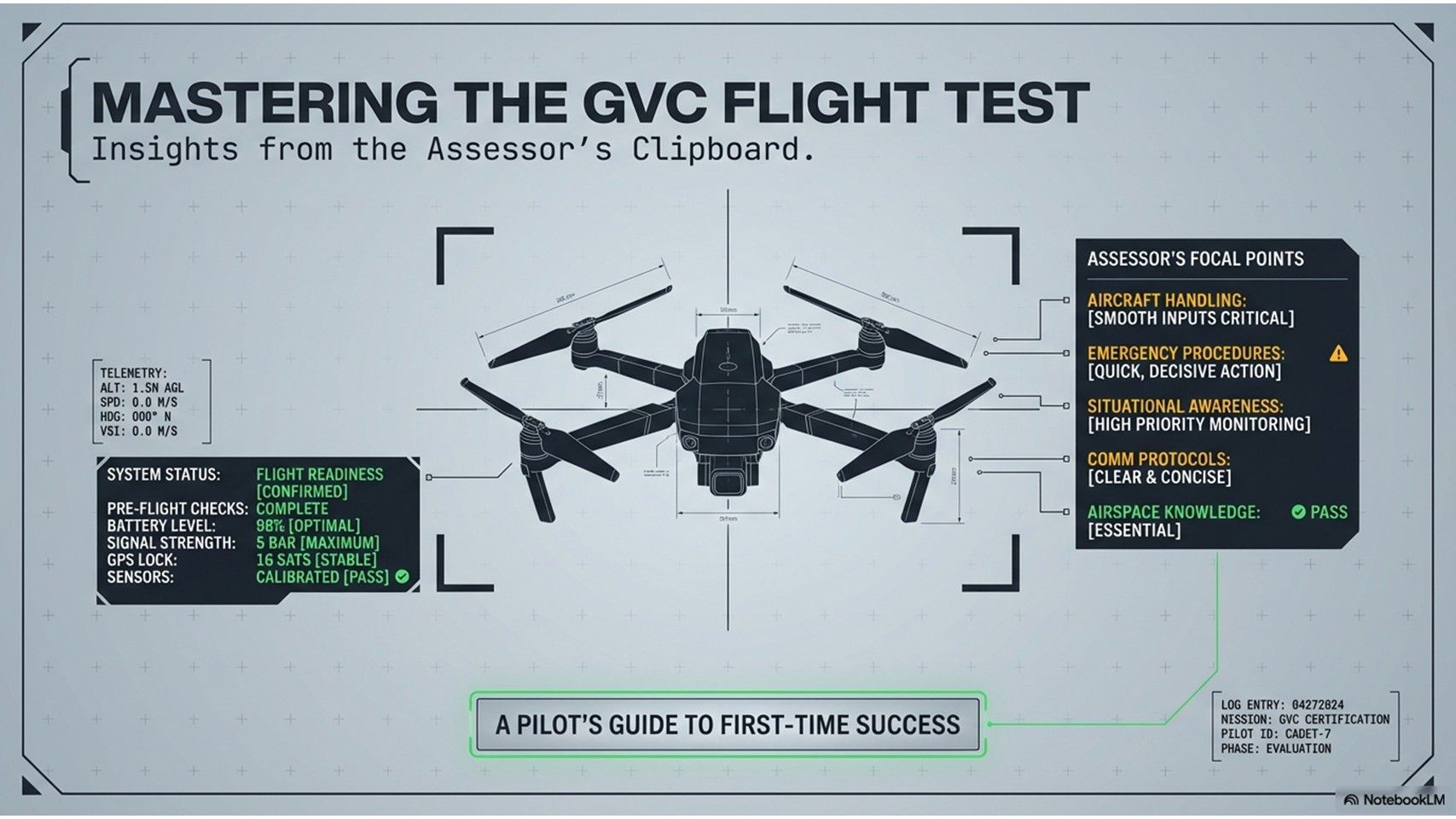
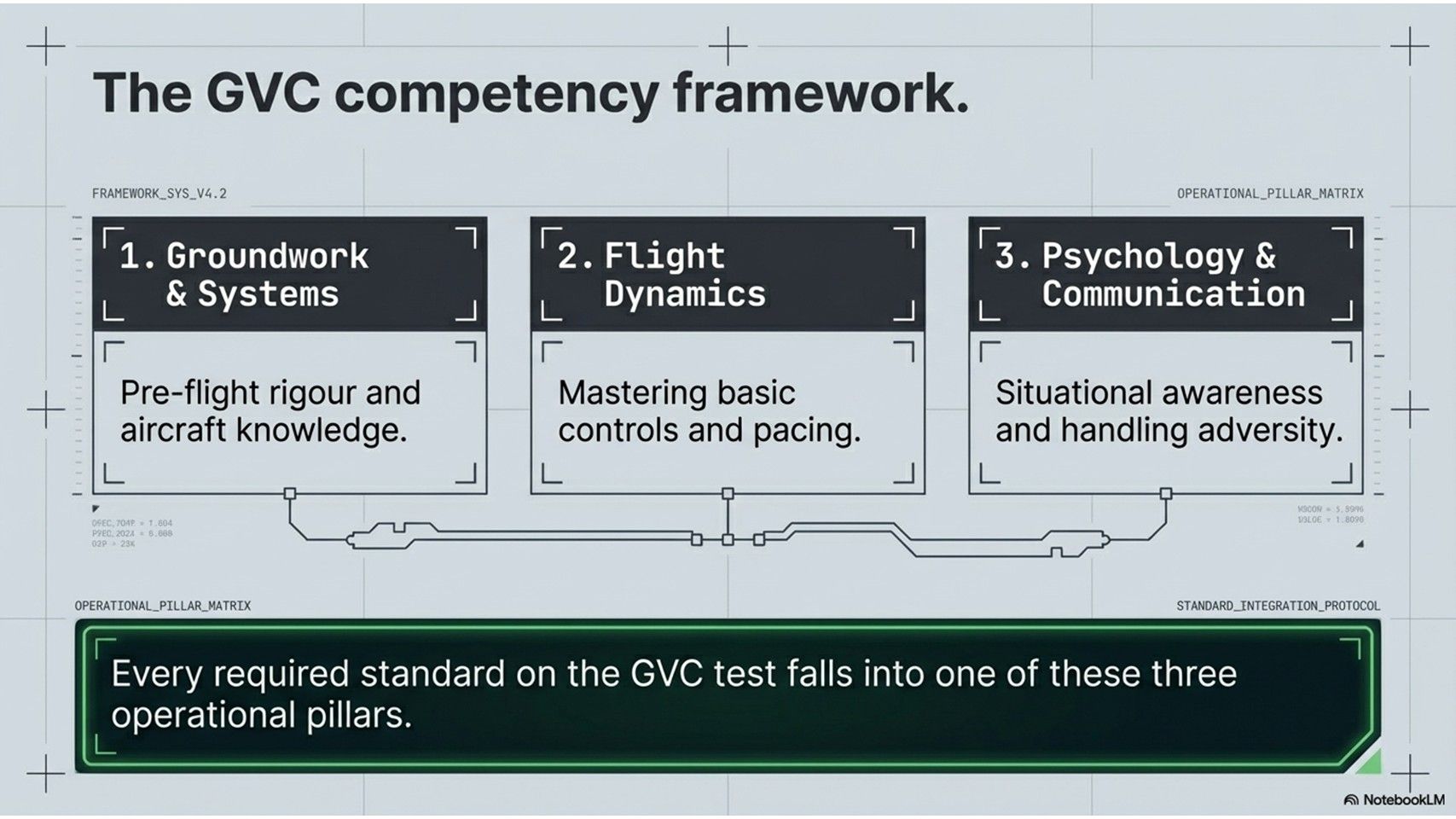
Successfully navigating the General Visual Line of Sight Certificate (GVC) flight assessment requires a focus on thorough preparation rather than technical perfection. This guide highlights that candidates must possess a deep understanding of their aircraft’s systems, such as failsafe settings and battery limits, to ensure operational safety. Achieving success involves maintaining slow, precise control during flight manoeuvres and verbalising one’s situational awareness to the examiner throughout the test. Additionally, implementing a rigorous pre-flight routine that covers weather and site assessments is essential for demonstrating professional standards. Ultimately, practising fundamental skills under the guidance of a qualified instructor — such as those at our GVC training in Belfast — is more effective than attempting to master complex stunts This comprehensive approach ensures that pilots remain calm and decisive, even when faced with unexpected environmental challenges.
How do you pass your GVC Flight Assessment first time?
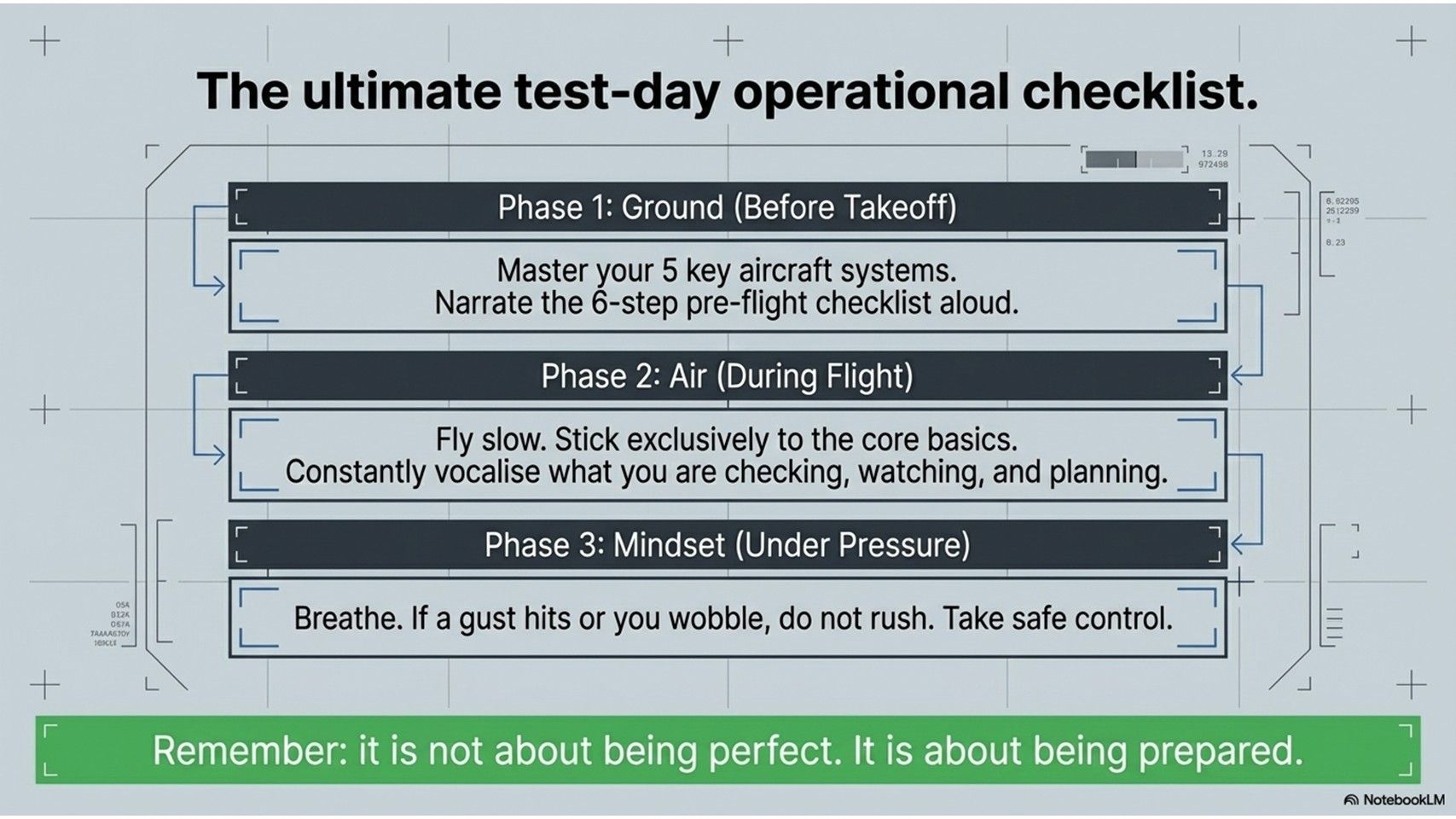
After assessing pilots across Northern Ireland for 8 years, I can tell you this: it’s not about being perfect — it’s about being prepared.
Here are the biggest things that make the difference:
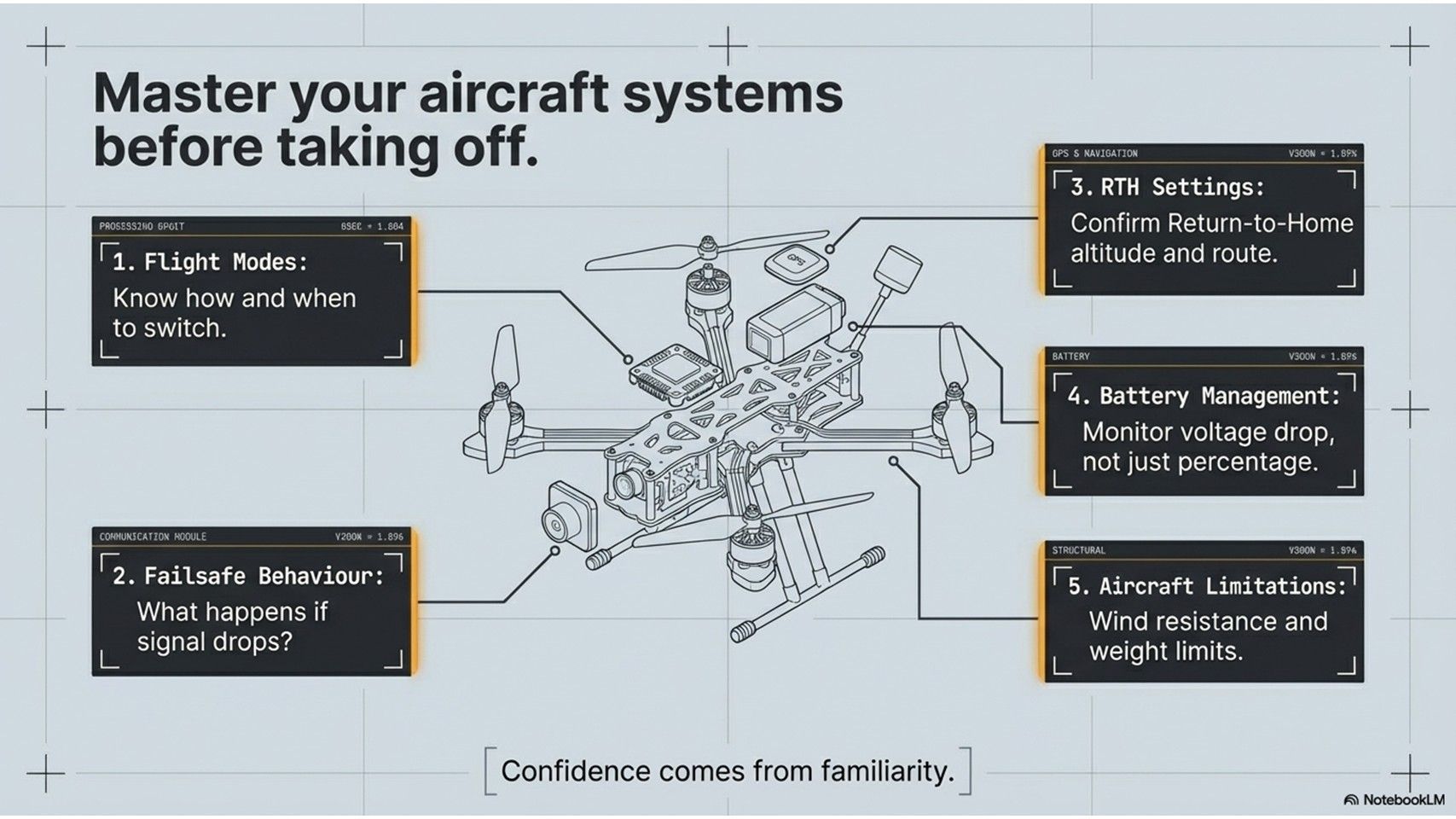
1️⃣ Know your aircraft inside out
You don’t need to be a tech wizard, but you do need to understand:
• Your flight modes
• Your failsafe behaviour
• Your RTH settings
• Your battery management
• Your aircraft limitations
Confidence comes from familiarity.
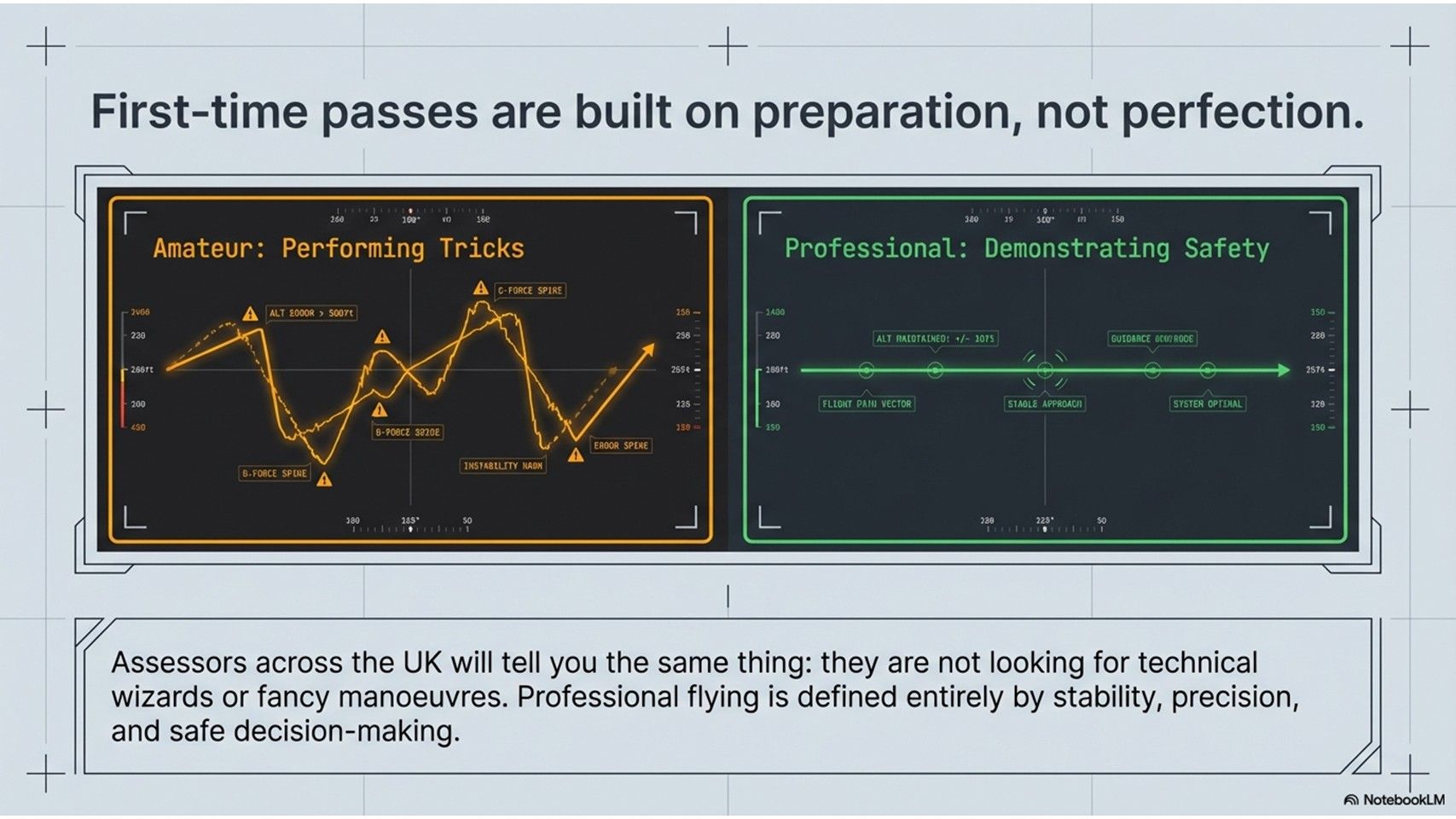
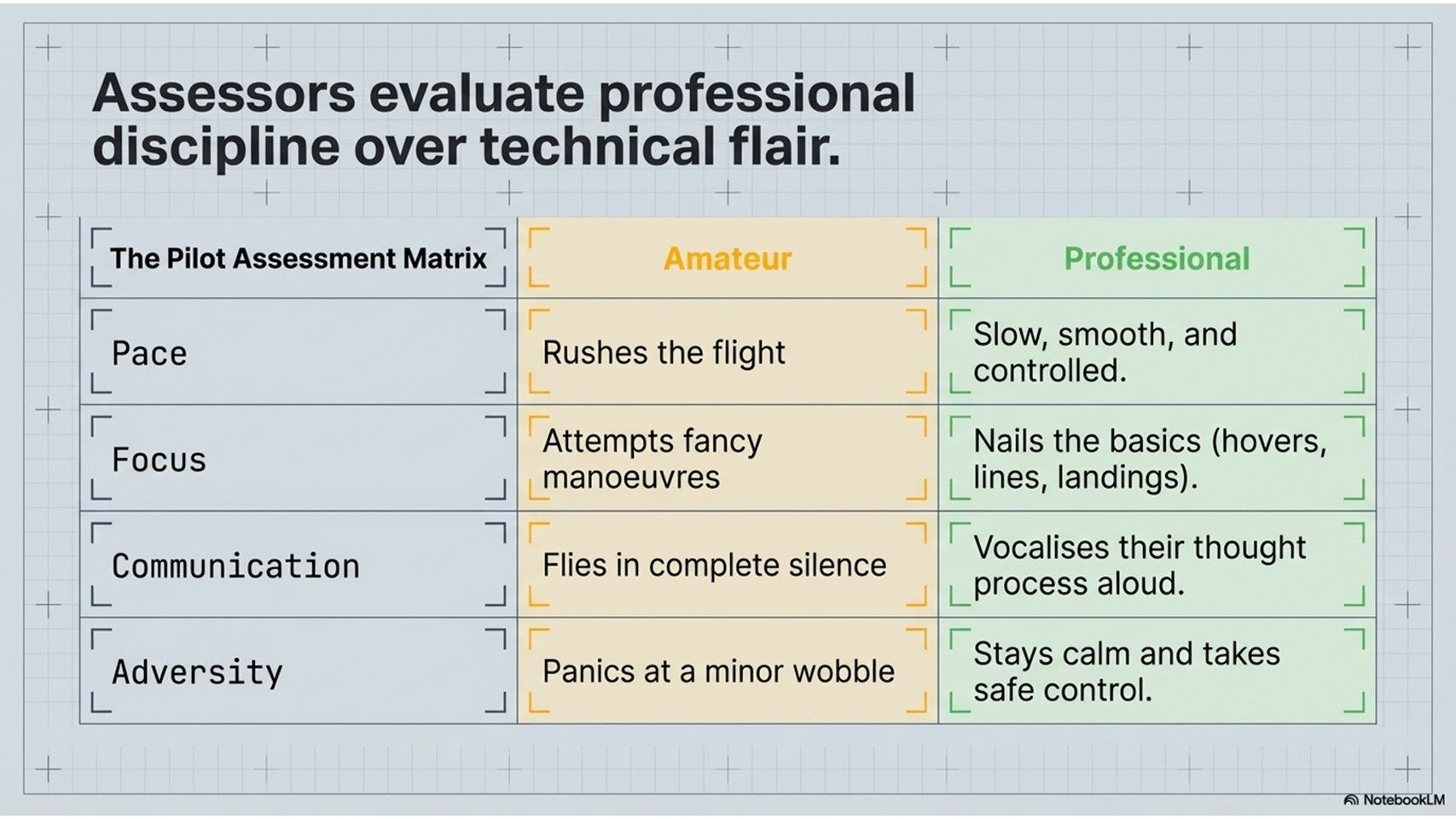
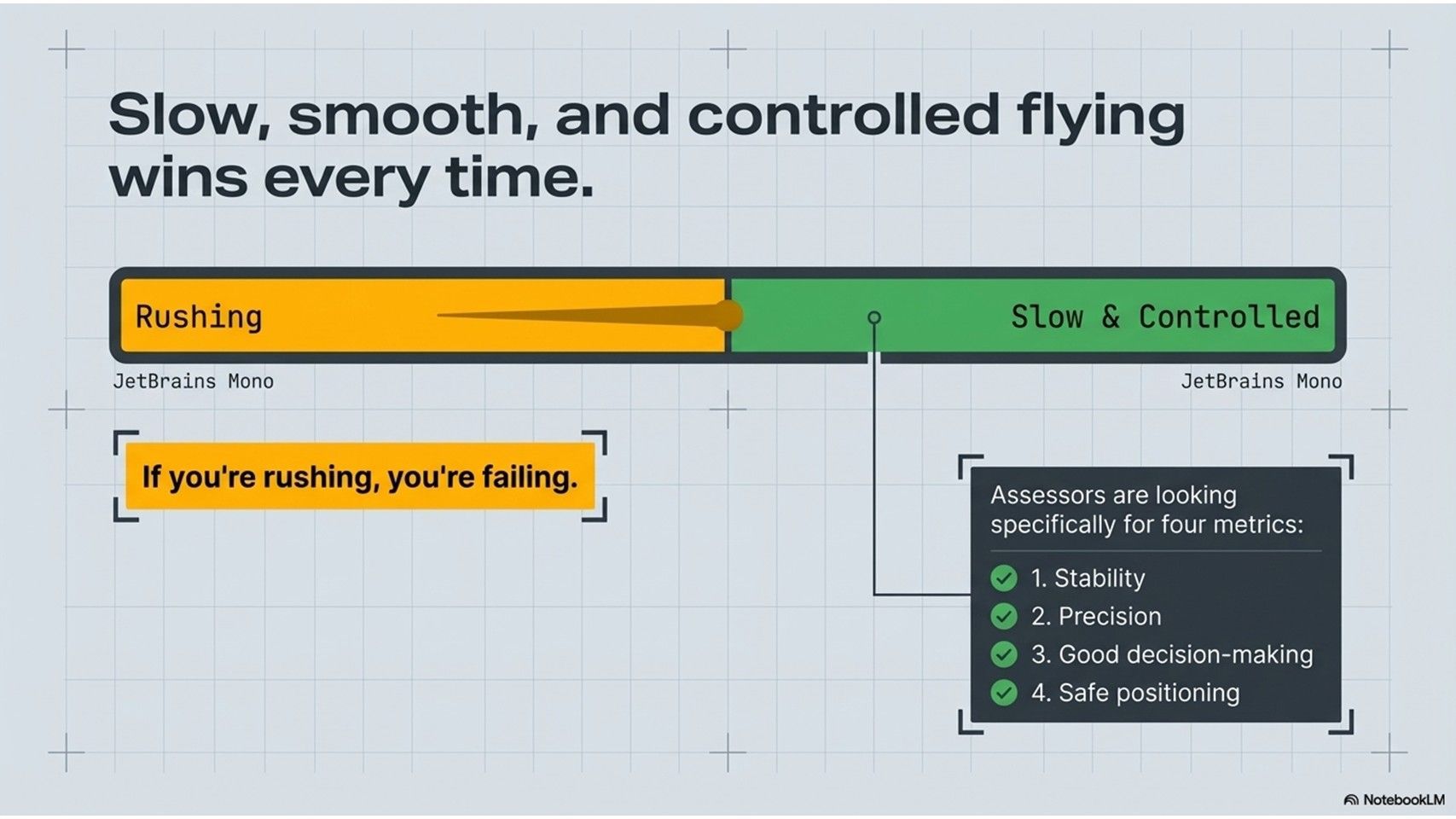
2️⃣ Slow, smooth, controlled flying wins every time
Assessors aren’t looking for fancy manoeuvres.
They’re looking for:
✔ Stability
✔ Precision
✔ Good decision‑making
✔ Safe positioning
If you’re rushing, you’re failing.
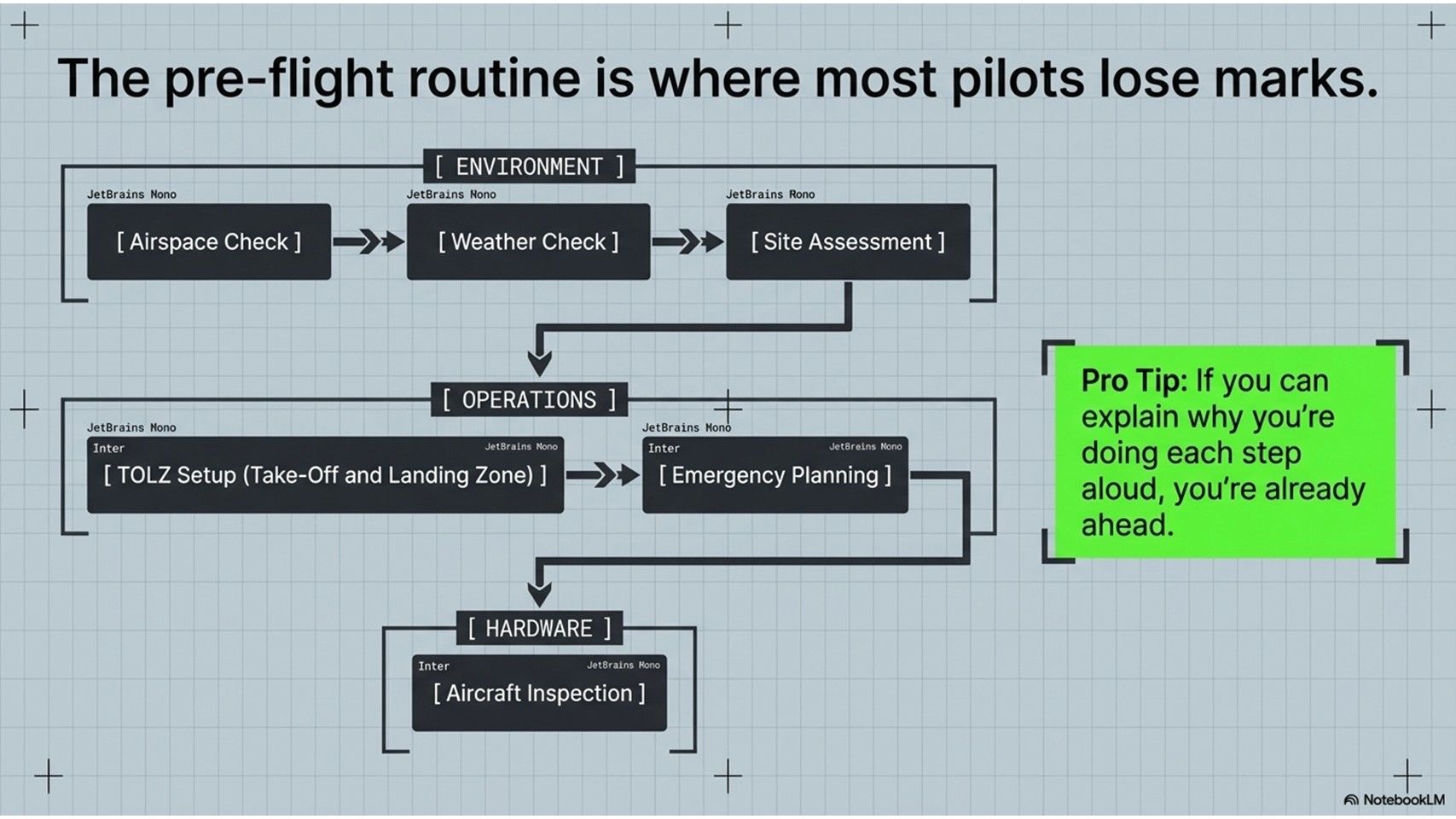
3️⃣ Nail your pre‑flight routine
This is where most pilots lose marks.
A solid pre‑flight includes:
• Airspace check
• Weather check
• Site assessment
• TOLZ setup
• Emergency planning
• Aircraft inspection
If you can explain why you’re doing each step, you’re already ahead.
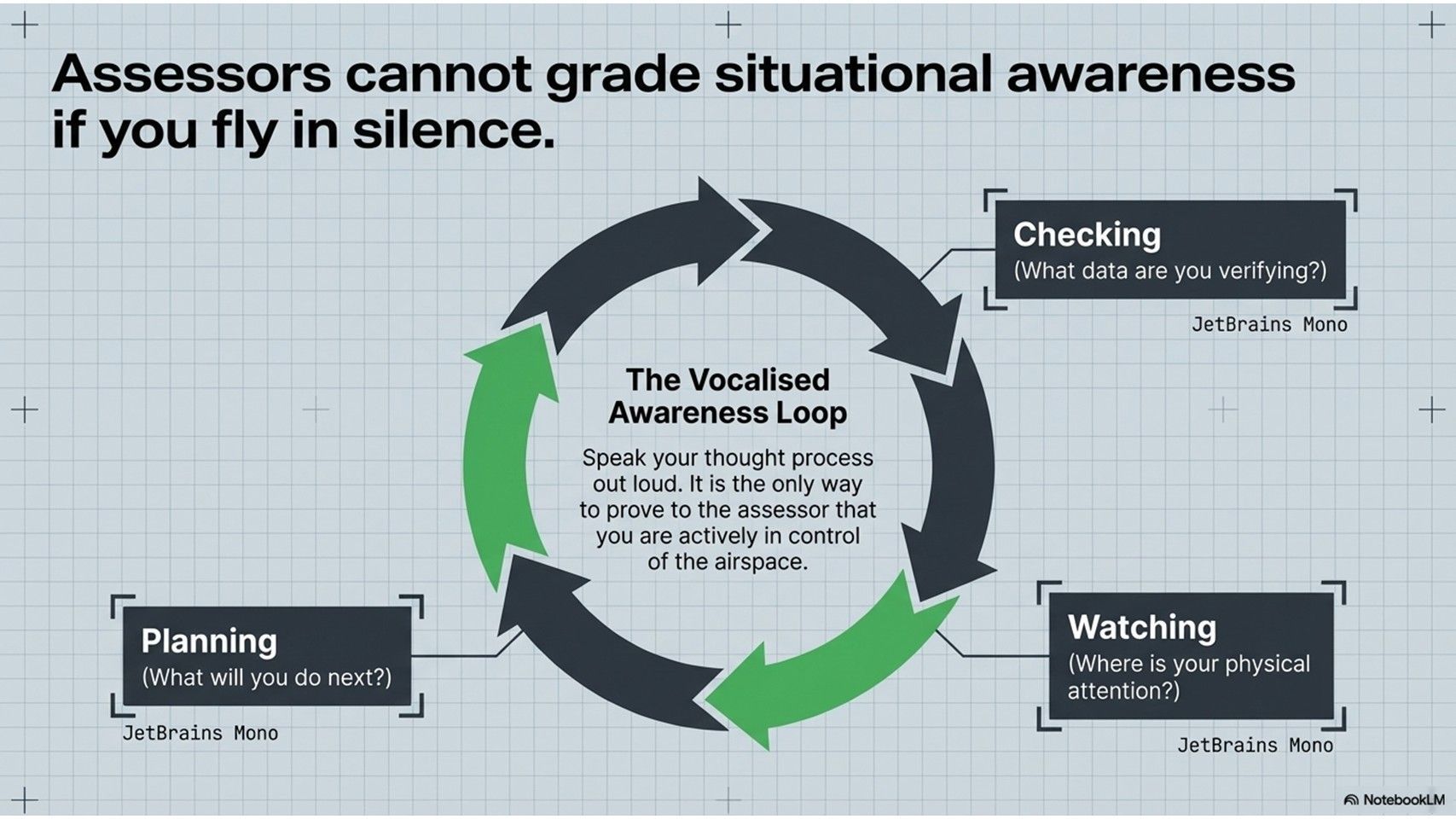
4️⃣ Speak your thought process out loud
This is a big one.
Assessors want to hear your situational awareness.
Tell us:
• What you’re checking
• What you’re watching
• What you’re planning next
It shows you’re in control.
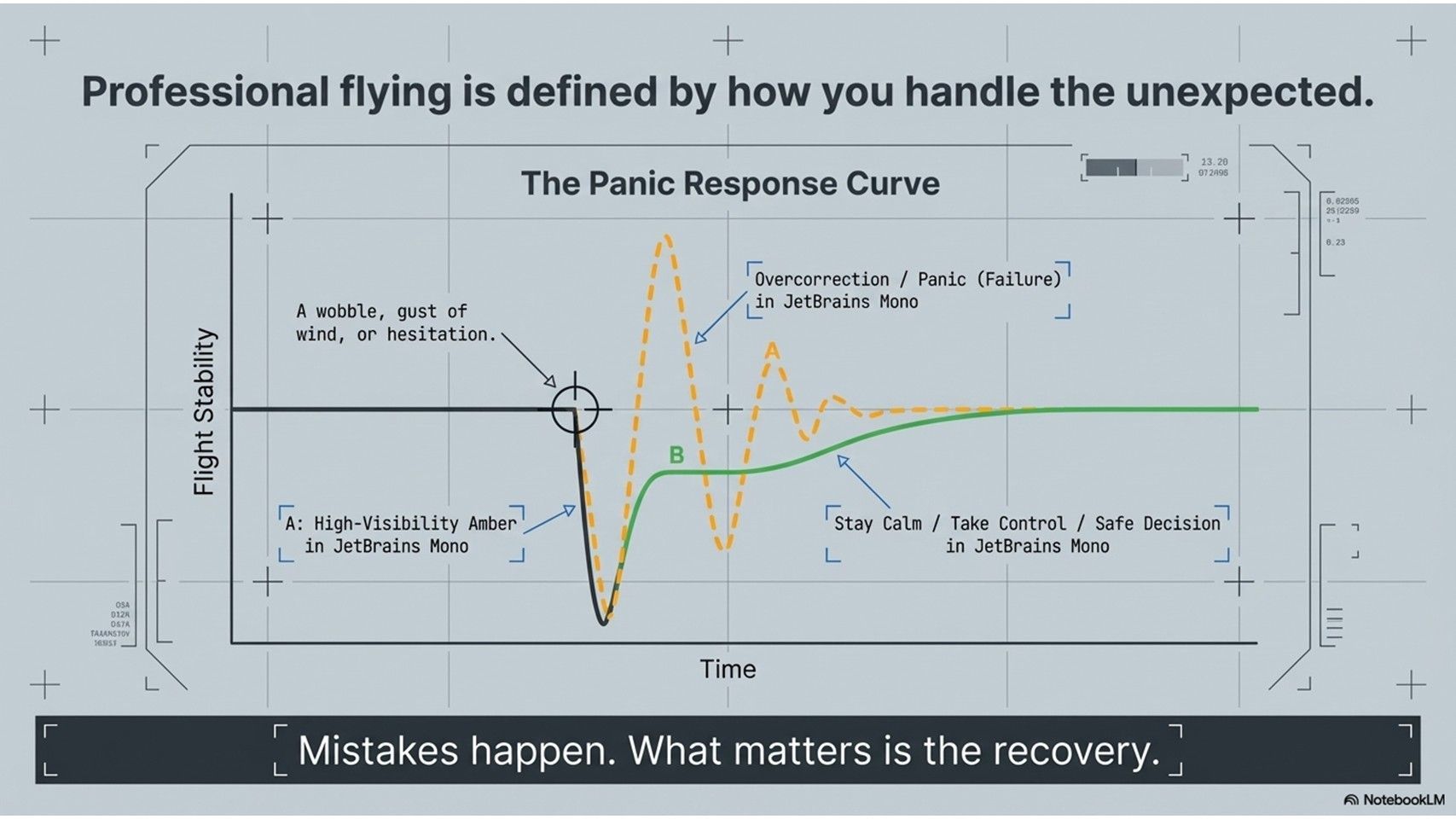
5️⃣ Don’t panic if something goes wrong
A wobble, a gust of wind, a moment of hesitation — it happens.
What matters is how you respond.
Stay calm, take control, and make a safe decision.
That’s what professional flying looks like.
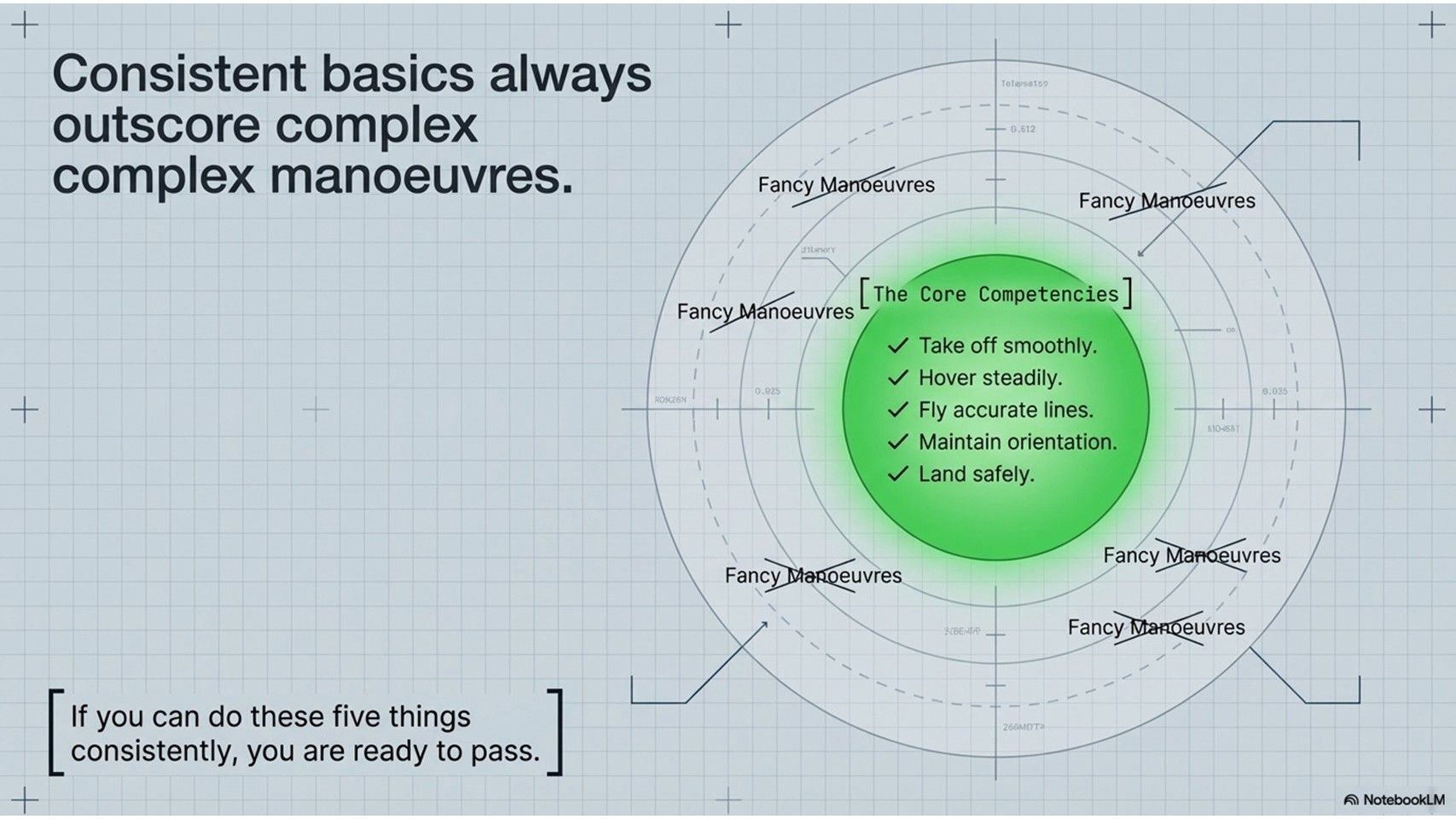
6️⃣ Practise the basics — not the fancy stuff
If you can:
• Take off smoothly
• Hover steadily
• Fly accurate lines
• Maintain orientation
• Land safely
…you’re ready.
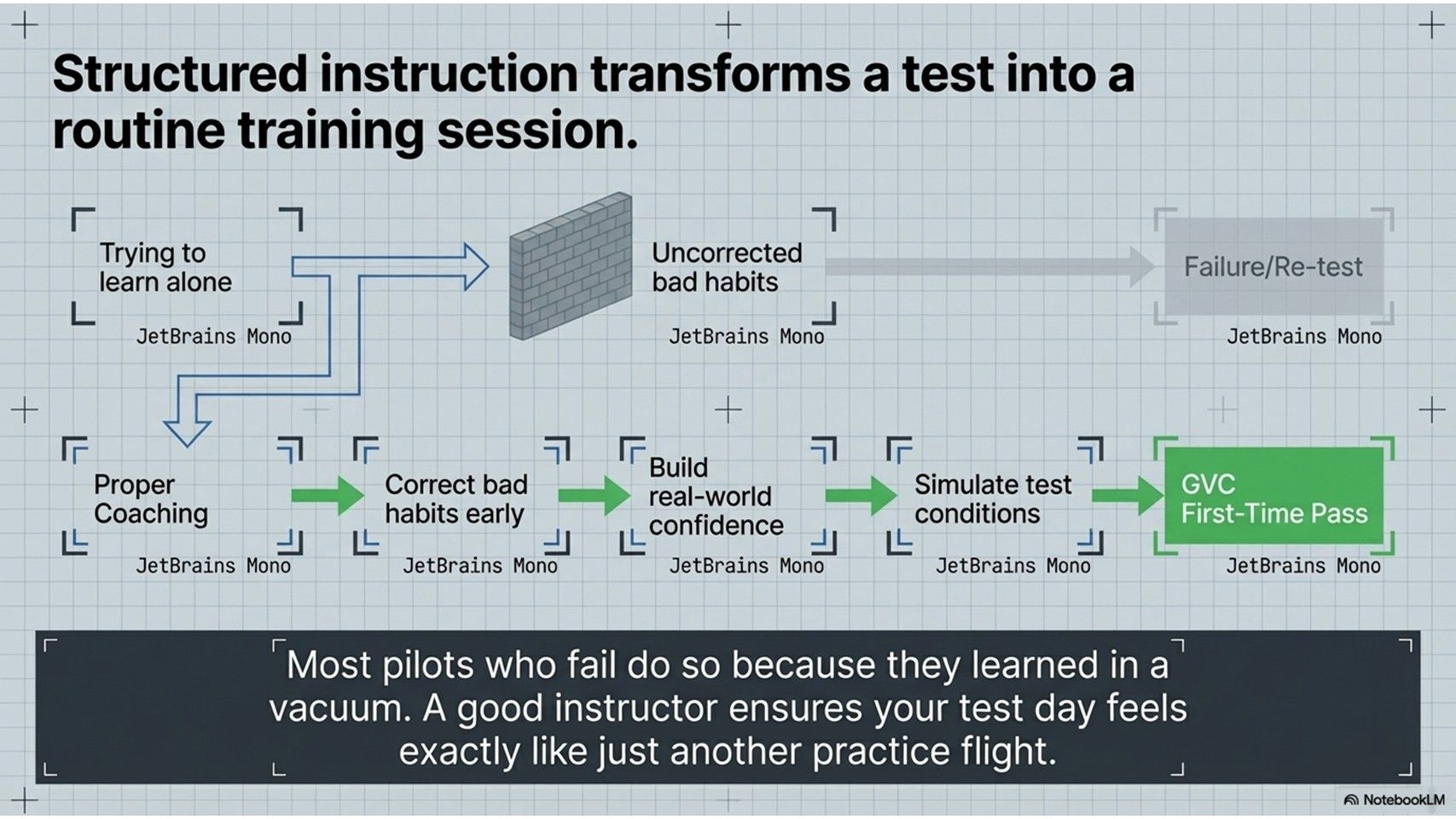
7️⃣ Get proper coaching
A good Drone Pilot Instructor will:
• Correct bad habits
• Build your confidence
• Prepare you for real‑world flying
• Make the test feel like just another training session
Most pilots fail because they try to learn alone.