Drone Pilot Training Academy for DJI Flight Simulator Website Header

Learn About Drone Flying Drones through the DJI Flight Simulator

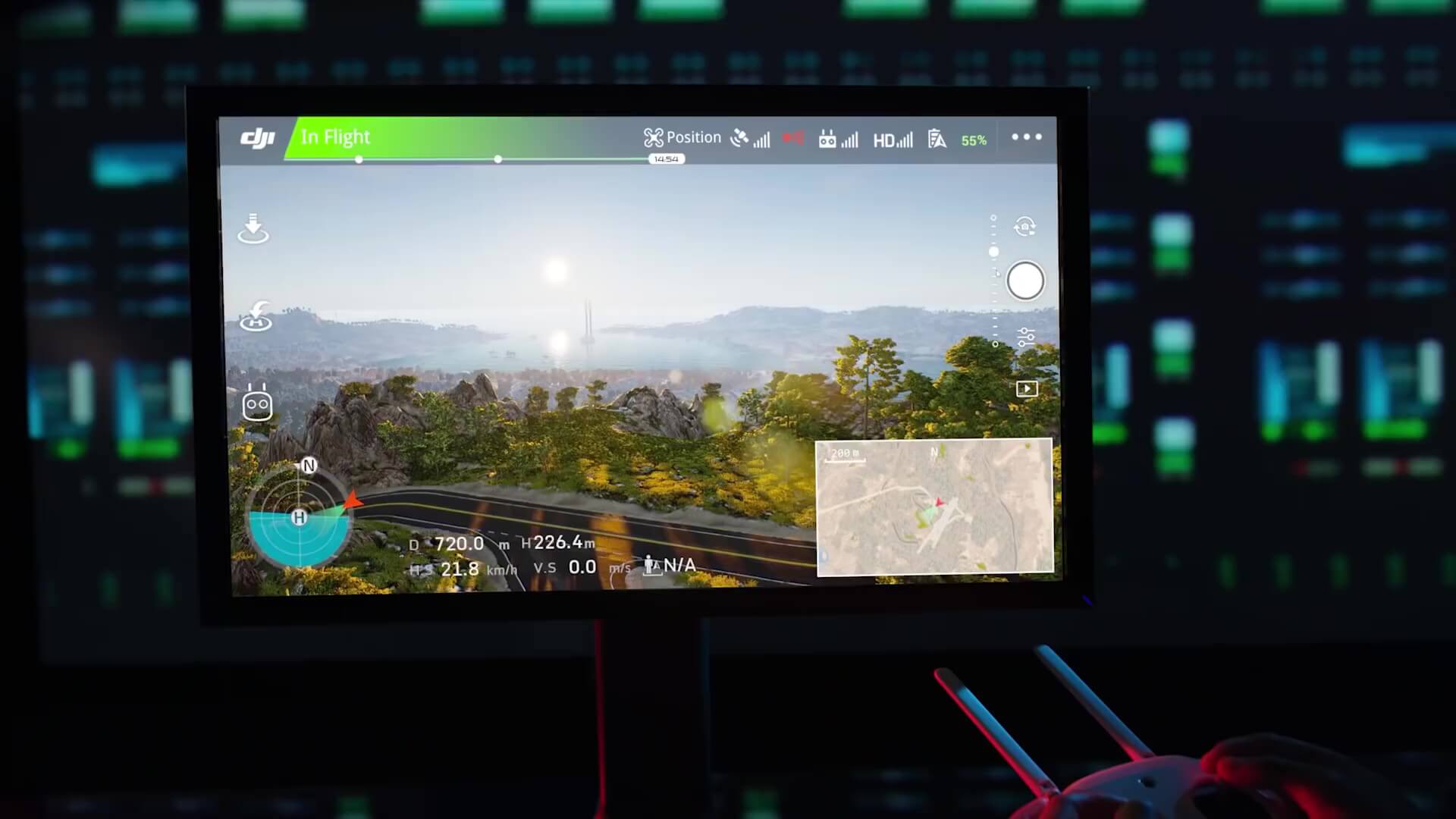
The DJI Flight Simulator’s biggest selling point is its realism: it mirrors real‑world DJI aircraft behaviour, weather, and flight modes so closely that it’s used by training academies and commercial operators to build pilot competence without risk. It’s also one of the only simulators designed specifically around DJI’s own flight physics, making it uniquely valuable for professional training. Here’s a clear, structured breakdown of its strongest features.


DJI Flight Simulator

 Ultra‑Realistic Flight Physics

  • Replicates real-world aircraft behaviour, including inertia, braking, and control sensitivity.
  • Simulates wind, turbulence, and weather variations, allowing pilots to practise in challenging conditions safely.
  • Includes Normal, Sport, and ATTI modes, matching DJI’s real aircraft behaviour.

 Immersive Training Environments

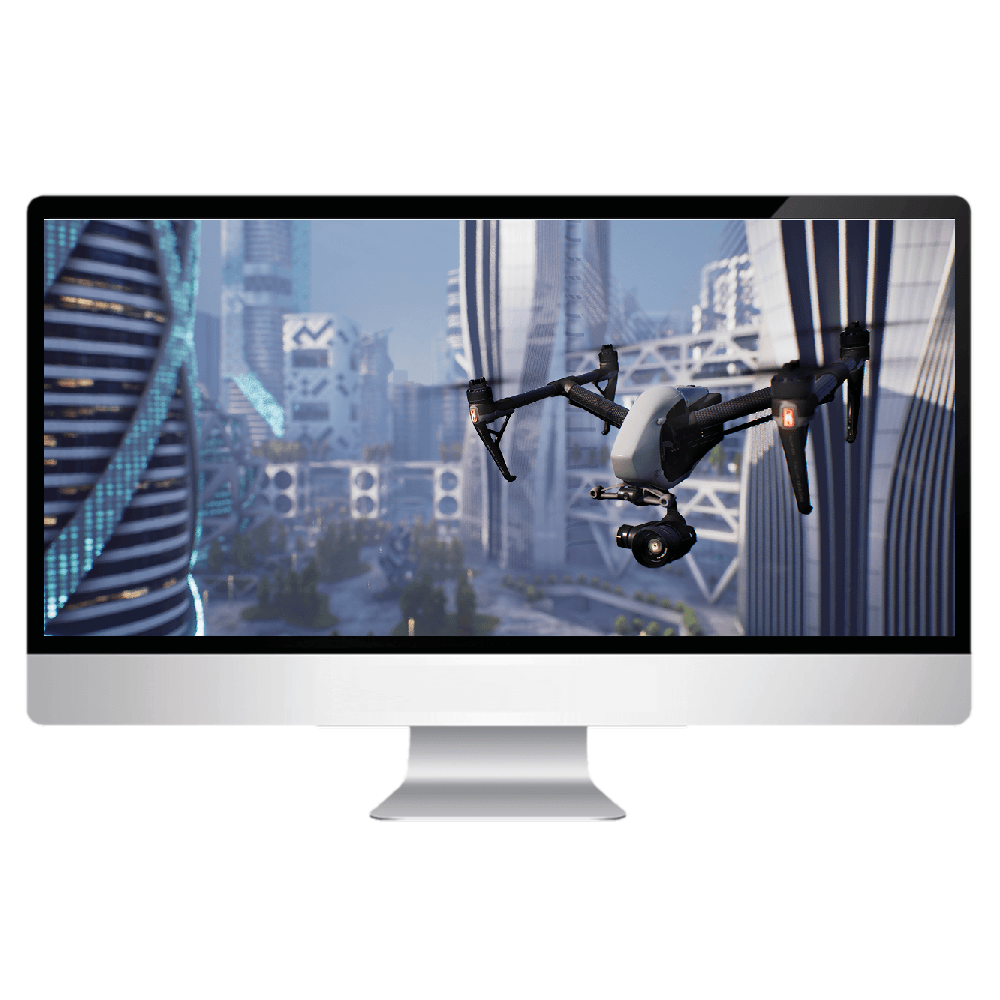
  • Large, detailed virtual environments such as urban areas, farm open fields, industrial sites, and ports.
  • Designed to mimic real operational scenarios for commercial pilots (e.g., inspections, mapping, confined-space flying).
  • Helps new pilots build situational awareness before flying expensive equipment.


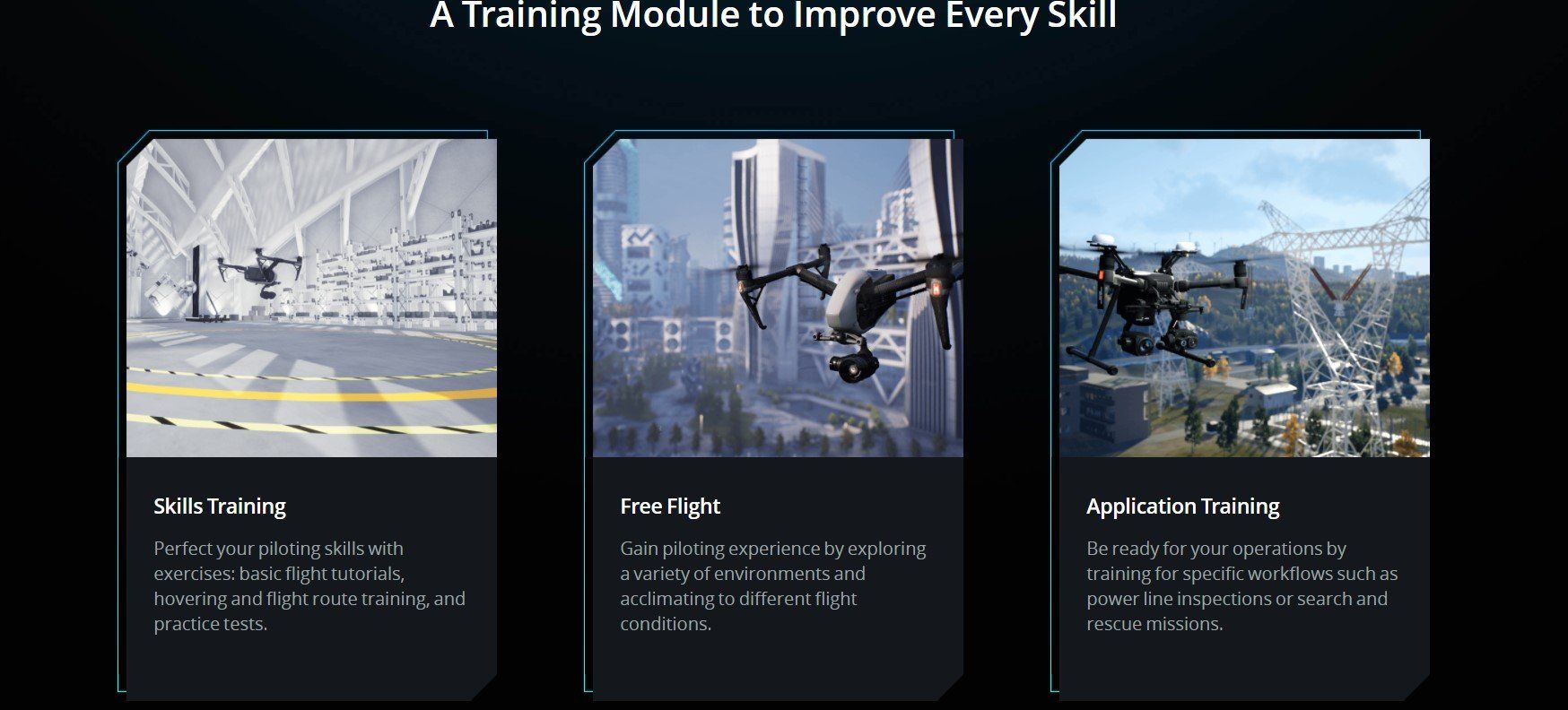
Structured Training Modules

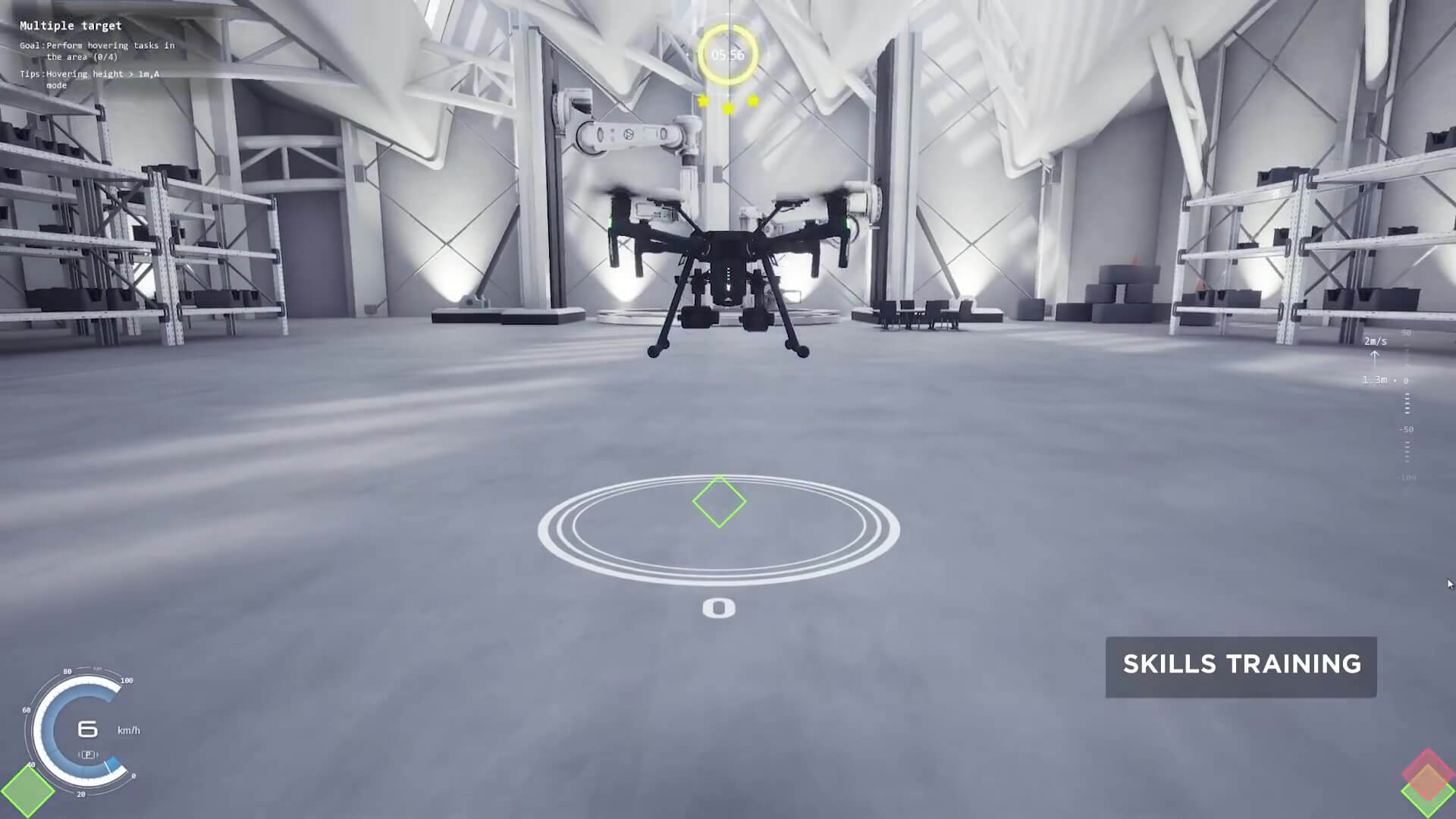
  • Obstacle courses, landing challenges, emergency scenarios, and precision tasks.
  • Tracks pilot performance over time, helping identify weaknesses and measure improvement.
  • Ideal for training staff or students before real-world assessments.Hardware Compatibility
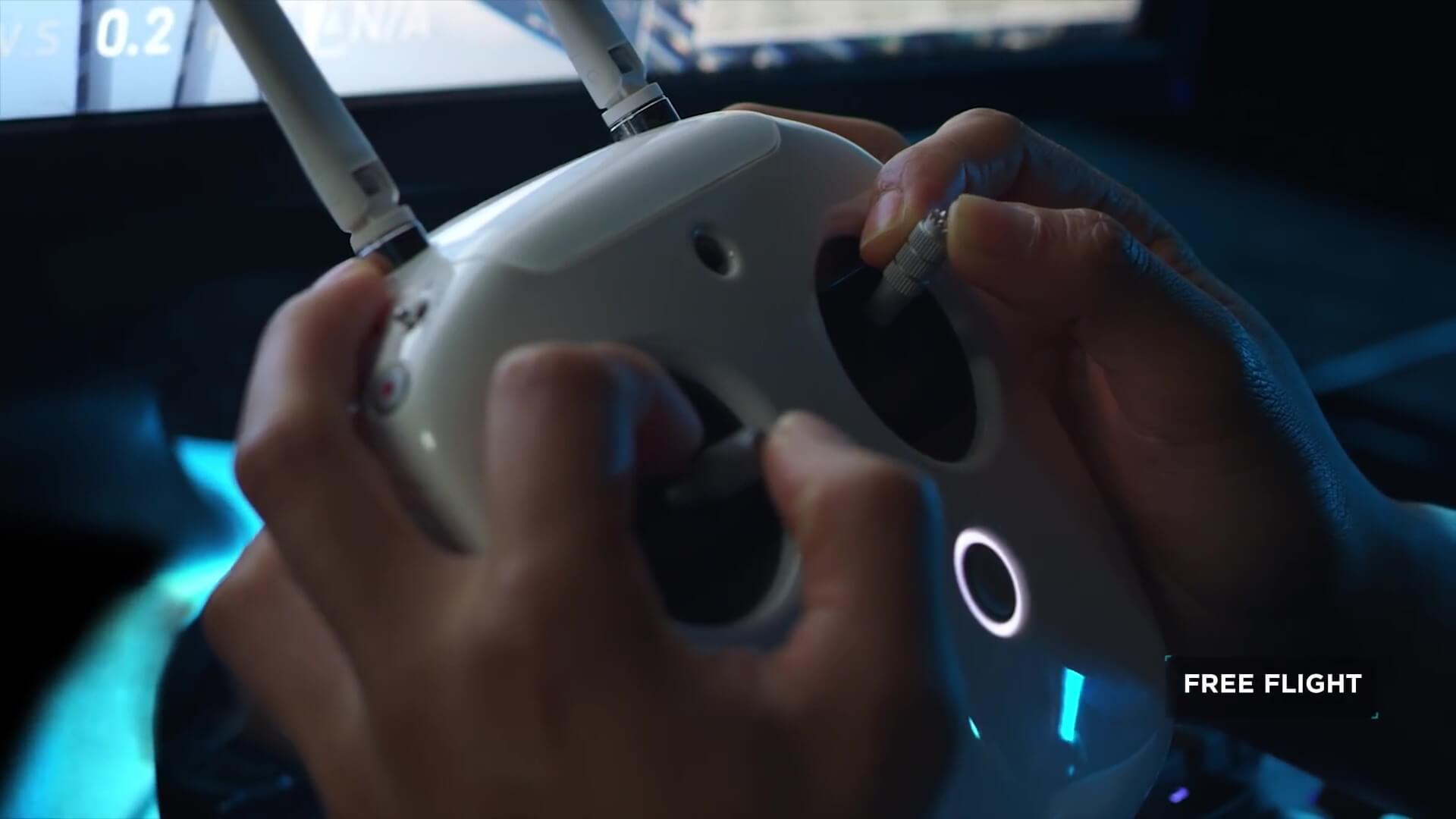
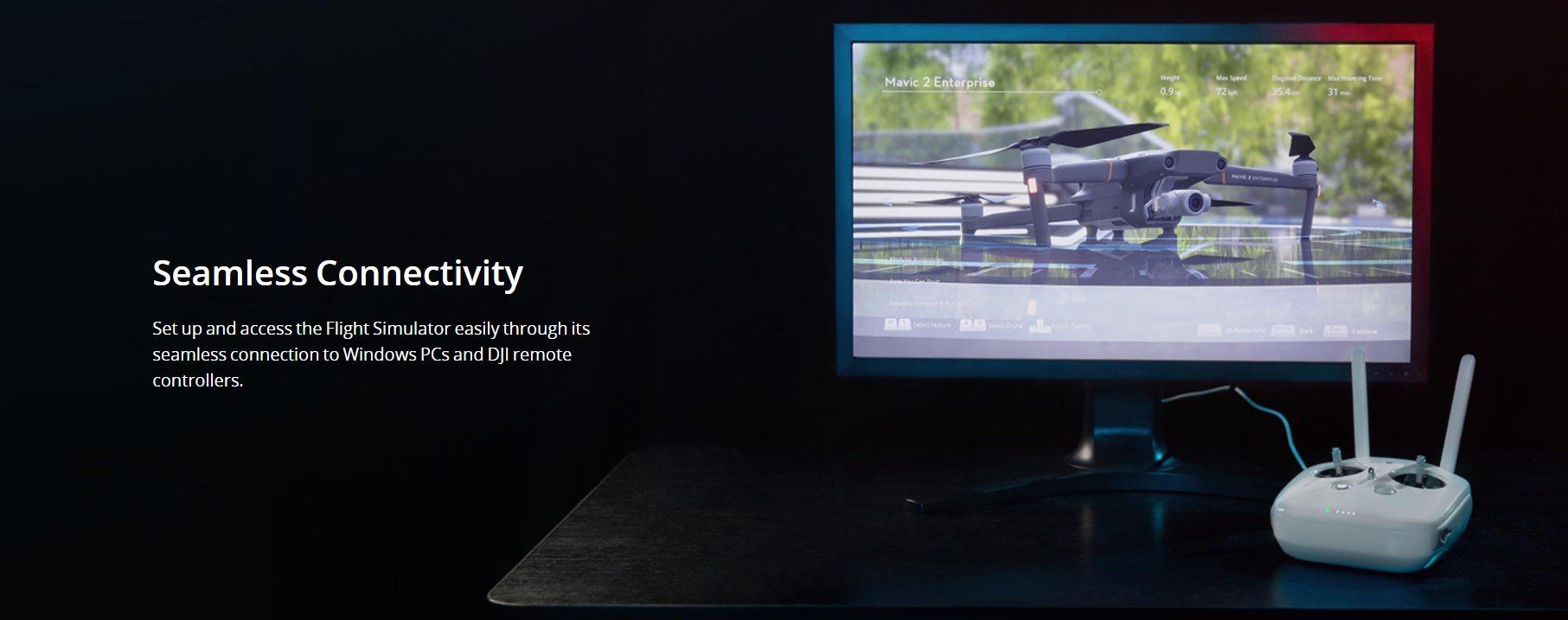
  • Works with DJI remote controllers and supports gamepads for entry-level practice.
  • Designed for Windows PCs, making it accessible for training centres and classrooms.


Professional Training Value

  • Used by drone businesses to train new pilots without risking aircraft damage.
  • Helps organisations standardise training and reduce insurance risk.
  • Particularly useful for academies like yours, where students can practise manoeuvres before real flight assessments.


Multiple DJI Aircraft Profiles

  • Allows pilots to experience the handling of different DJI models.
  • Helps students transition between platforms more confidently.

  • Hone skills in a safe environment

    Flight Simulator accurately models the way each drone performs in a real-life scenario, allowing users to practice without the risks or consequences of mishandling.


    Three flight modes are available and are identical to the ones on an actual drone. These are position mode, sport mode and the more challenging attitude mode.

  • Five POVs

    Pilot first-person view (FPV), remote-control view, drone FPV, drone-follow view and third person - lets the user immerse themselves in a flight experience, just as they would in real life.


    Using a sophisticated physics engine, DJI Flight Simulator can also simulate various flight conditions, such as changing day/night cycles, various wind speeds and weather conditions. It can also mimic ground effects and simulated crashes.

  • Seamless compatibility

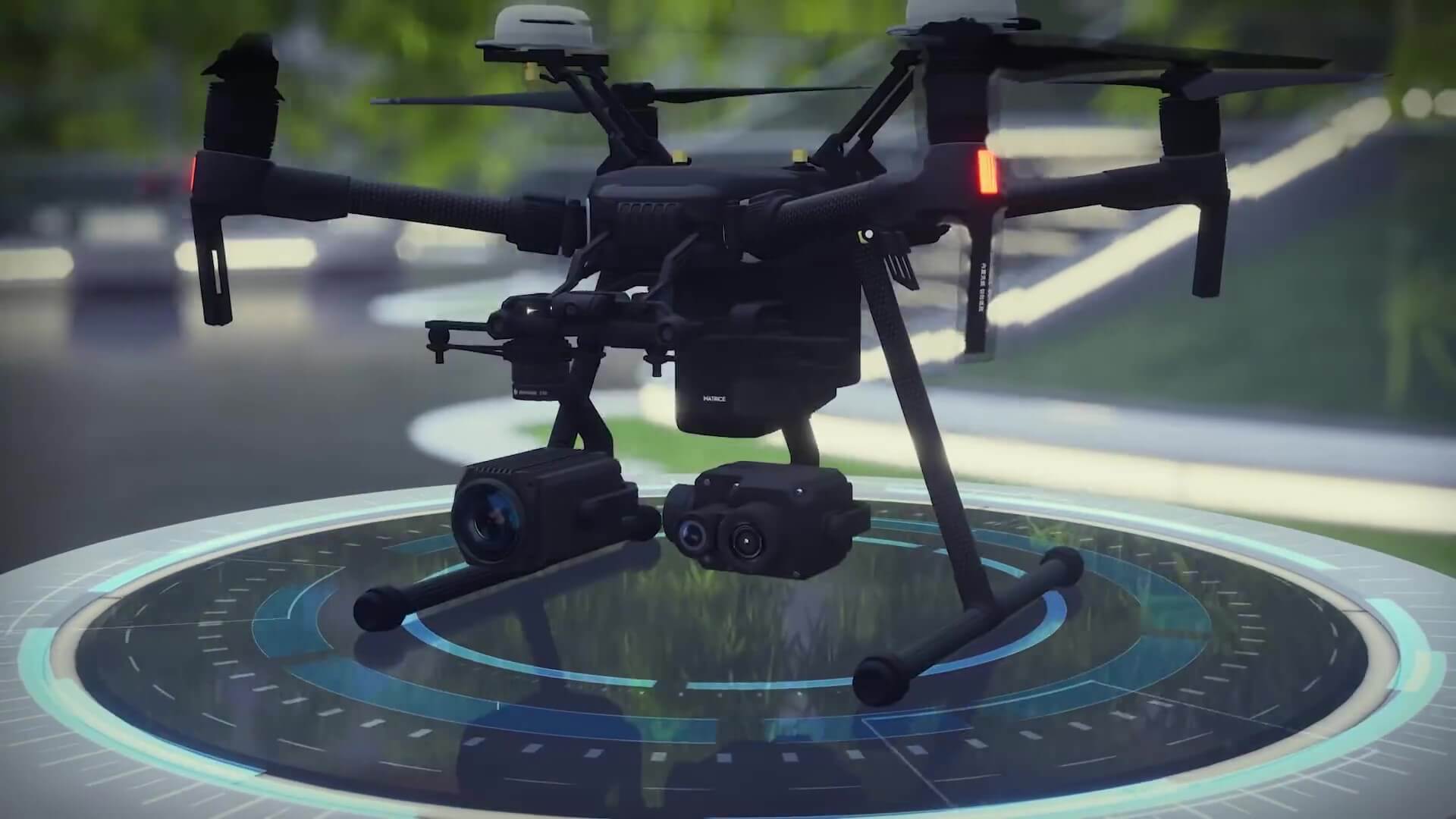
    A range of DJI drones from the Mavic, Phantom, Inspire and Matrice 200 series are supported in the simulator, giving users an opportunity to train for the job with the right tool. 

  • DJI Flight Simulator

    DJI Flight Simulator are available, offering various functions.


    Enterprise version:

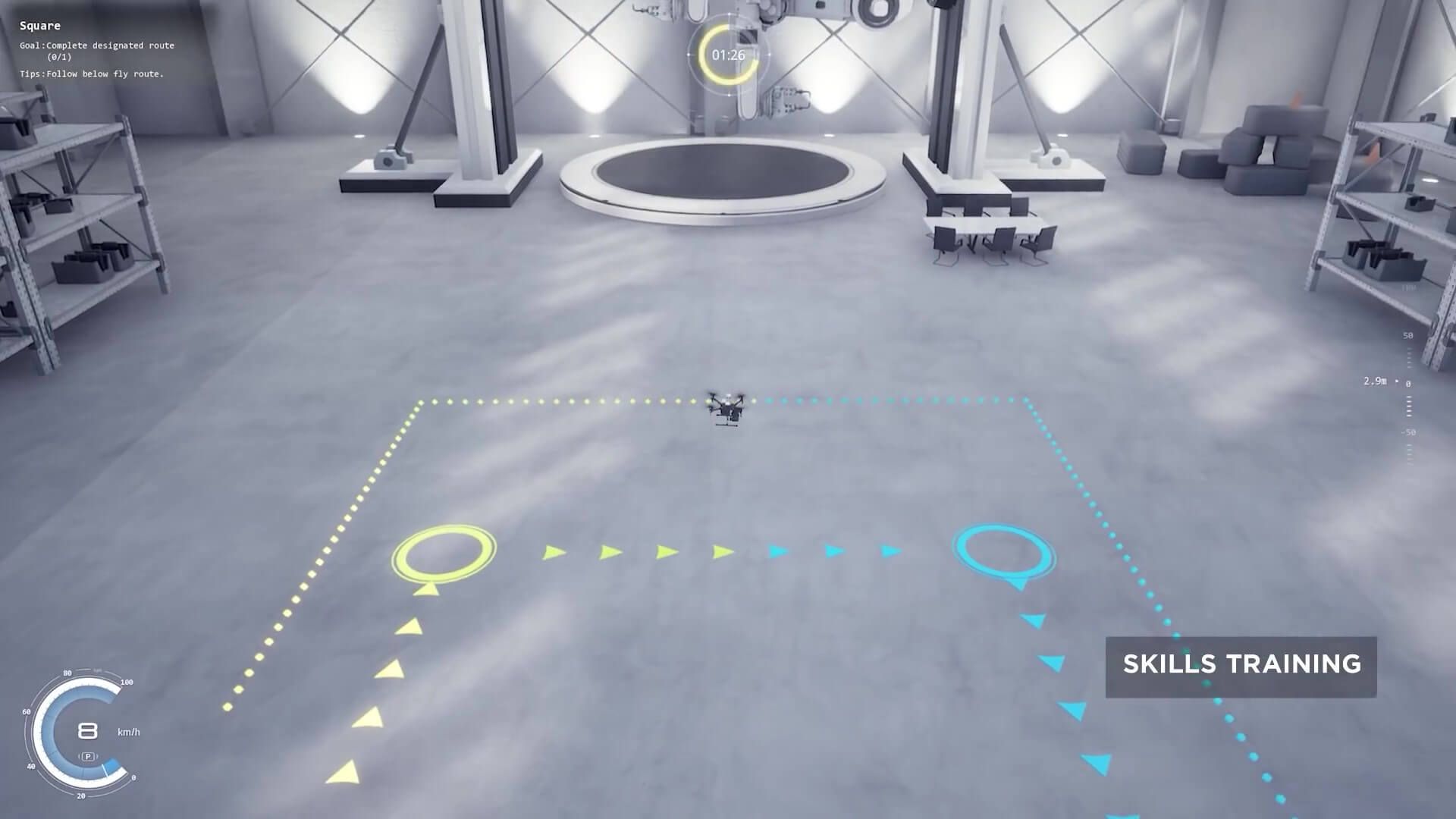
    The functions are the same as above, as well as enterprise drones, advanced parameter settings, skills training and application training.


Student Testimonials - What did my students say about my DJI Flight Simulator?

Drone Pilot Training Academy Belfast, Northern Ireland
"I had the pleasure of trying out the DJI Flight Simulator with Robert. The computer and the software is amazing and a great way to get a feel for flying a drone. Even as an experienced drone user, I was still learning new flying tips and tricks while using the simulator. I love how you can select the exact drone you use and then go fly it through exercises and operations".

Chris Colton

SeeSee.ie
Drone Pilot Training Academy Belfast, Northern Ireland
"I am proud to say I recently completed and passed my pfco training with Robert at the Drone Pilot Training Academy, Belfast. I had never operated a drone before and didn’t even have one. I found The Drone Pilot Training Academy online and contacted Robert for some advice on what I needed to do. From the outset Robert was very helpful and advised me as to how I should proceed which was to complete a PfCO course.

I booked in for a DJI Flight simulator lesson first as I had no flight experience and it was well worth my time. It immediately gave me the confidence to fly a drone.

I opted for the Drone Pilot training package that included a free advanced lesson and s DJI Flight simulator lesson which was great value for the money. 

Throughout the whole process from start to end Robert helped me a great deal and his knowledge and expertise were invaluable. I would highly recommend Robert and the Drone Pilot Training Academy for anyone looking to gain a PfCO. I have the knowledge now to fly a drone safely and confidently because of it. The whole process took me 6 weeks from start to finish".

Adam Campbell 

Drone Pilot Training Academy Belfast, Northern Ireland
"Completed my PfCO with Robert before Christmas. Very professional and an expert in his field. He was always on hand during the online training with any questions I had, and checked in on me now and then to see how I was progressing. 

The flight test day I wasn't sure what to expect but Robert explained everything well and luckily we got a cold but sunny day for it. Although you're there for a serious test, Robert takes you through everything smoothly and it's completely relaxed with a bit of craic too. Even though I've been a drone hobbyist for a few year already, the drone simulator was very useful. It mimics certain conditions which I hadn't experienced yet that could be met in the future.

After passing the tests I sent away for my PfCO to the CAA. Again Robert checked in during this process making sure all was well. It took the CAA about 9 days in total so a really quick turnaround.

I highly recommend Robert and would suggest people to support local businesses. You 100% won't regret it".

Michael Kirk 

Henry Brothers Ltd

Learn More About Drone Flying Drone with the DJI Flight Simulator

Introduction to Professional Training in Northern Ireland

The Drone Pilot Training Academy, based in Carryduff near Belfast, stands as Northern Ireland’s leading centre for professional Unmanned Aircraft System (UAS) training. Its mission is to provide a clear, structured pathway for aspiring aviators by combining high‑quality online theoretical learning with expert-led practical flight instruction. Through its commitment to rigorous educational standards, the academy ensures every candidate develops the knowledge, competence, and confidence required to operate safely within the UK’s civil aviation regulatory framework.


Core Benefits of the DJI Flight Simulator

Integrating the DJI Flight Simulator into the training programme creates an essential link between theoretical study and real-world flight operations. From an instructional standpoint, the simulator enables students to understand complex flight dynamics in a completely risk‑free environment. Key benefits include:

Confidence Building

Ideal for beginners, the simulator helps students overcome the natural apprehension associated with flying high‑value aircraft for the first time.

Risk Reduction

By allowing students to practise virtually, essential muscle memory is developed before handling a physical drone—protecting both the trainee and the academy’s equipment.

Skill Development and Technical Manoeuvres

Pilots can repeatedly rehearse precision orientation, basic manoeuvres, and critical emergency procedures such as ATTI‑mode control, loss‑of‑link response, and low‑battery recovery.  Operational Efficiency because the simulator replicates the telemetry and handling characteristics of the academy’s DJI fleet, students transition smoothly to live flying at the private Carryduff training fascility.


Integration into GVC Professional and Public Sector Packages

The DJI Flight Simulator is a fundamental component of the academy’s advanced General Visual Line of Sight Certificate (GVC) training pathways. These packages are designed to take candidates from complete beginners to fully competent professional operators.

Note: The Public Sector package is specifically designed to meet the operational needs of Police, Fire & Rescue, Search & Rescue teams, Government Agencies, and Local Councils.


Student Outcomes and Testimonial Evidence

Student feedback consistently highlights the simulator as a pivotal element in building technical confidence. In addition to its educational value, training at the Carryduff site offers significant financial savings—typically £500–£700—compared with attending equivalent courses in mainland UK.

A strong example comes from Adam, who progressed from the legacy PfCO to the modern GVC standard:

“I had never operated a drone before and didn’t even own one… I booked a DJI Flight Simulator lesson first as I had no flight experience, and it was well worth my time. It immediately gave me the confidence to fly a drone. I opted for the Drone Pilot Training Package that included a free advanced lesson and a DJI Flight Simulator session, which was great value for money.”


Transitioning to Practical Assessment

Training progresses naturally from simulator-based learning to the Practical Flight Assessment—an essential requirement for candidates seeking a GVC to support their application for Operational Authorisation (PDRA‑01) from the CAA.

The assessment focuses primarily on safety, evaluating the candidate’s flying ability and operational discipline in accordance with the procedures outlined in their Operations Manual. By rehearsing emergency scenarios on the simulator beforehand, students are well‑prepared to demonstrate the safe, competent flying required to pass on their first attempt.